How Regular Commercial Pressure Washing Reduces Slip-and-Fall Liability in High-Traffic Properties
Commercial pressure washing in Des Moines is more than curb appeal. It is a safety program that helps property managers cut slip-and-fall risk where it matters most: entrances, sidewalks, plaza pavers, loading zones, and parking structures. When these surfaces hold grime, algae, deicer residue, or spilled drinks, traction drops and injury risk climb. A planned cleaning schedule helps restore friction, reduce claims, and show clear due diligence.
Why Slip-and-Fall Risk Spikes In High-Traffic Properties
High-traffic sites like grocery centers, office towers, medical buildings, schools, and venues near the East Village or Court Avenue District see constant foot traffic and frequent spills. Tires track in oils and dust. Rain lifts parking lot film and deposits it on crosswalks. Winter in central Iowa adds brine, sand, and grit that stick to concrete long after the snow melts. Together, these layers create a thin, often invisible film that makes smooth troweled concrete or sealed pavers slick.
Regular commercial pressure washing breaks up that film, flushes the pores of concrete, and rinses fines before they can pack into a polished, slippery surface. The result is a surface that behaves closer to its design intent, which helps people keep their footing during quick turns, sudden stops, or when they hit the doorway rush at lunchtime.
How Commercial Pressure Washing In Des Moines Improves Traction
Effective professional washing targets the root causes of low traction. Degreasers are selected for petroleum grime in parking garages, enzyme cleaners for food and beverage residues near restaurants, and neutralizers for winter salt films. Controlled heat and calibrated pressure lift soils without scarring the surface. Rinsing and surface recovery keep dirty water out of drains and away from customer paths.
- Entrances and sidewalks: remove sugary drinks, tracked oils, and airborne dust that polishes the concrete.
- Parking decks and ramps: clear fine rubber and oil mist that make smooth trowel finishes slick.
- Dumpster pads and loading docks: reduce organic buildup that grows algae after summer storms.
- Stair treads and landings: restore microtexture where dirt has filled the grooves and edges.
In short, regular cleaning restores the microtexture that shoes and wheelchair tires need to grip. That small improvement often prevents the missteps that become incidents.
Iowa's freeze-thaw cycle turns thin films into ice faster than you expect. Clean high-traffic concrete before the first hard freeze and again after snow season to remove brine residue that can stay slick even when temperatures rise.
What Insurers And Attorneys Look For In Maintenance Records
Slip-and-fall claims hinge on reasonable care. While each case is unique, well-organized maintenance records help demonstrate that you took steps to prevent hazards. Many risk managers prefer documentation that proves consistency rather than one-off cleanups after incidents.
- Service logs that show dates, zones cleaned, and methods used.
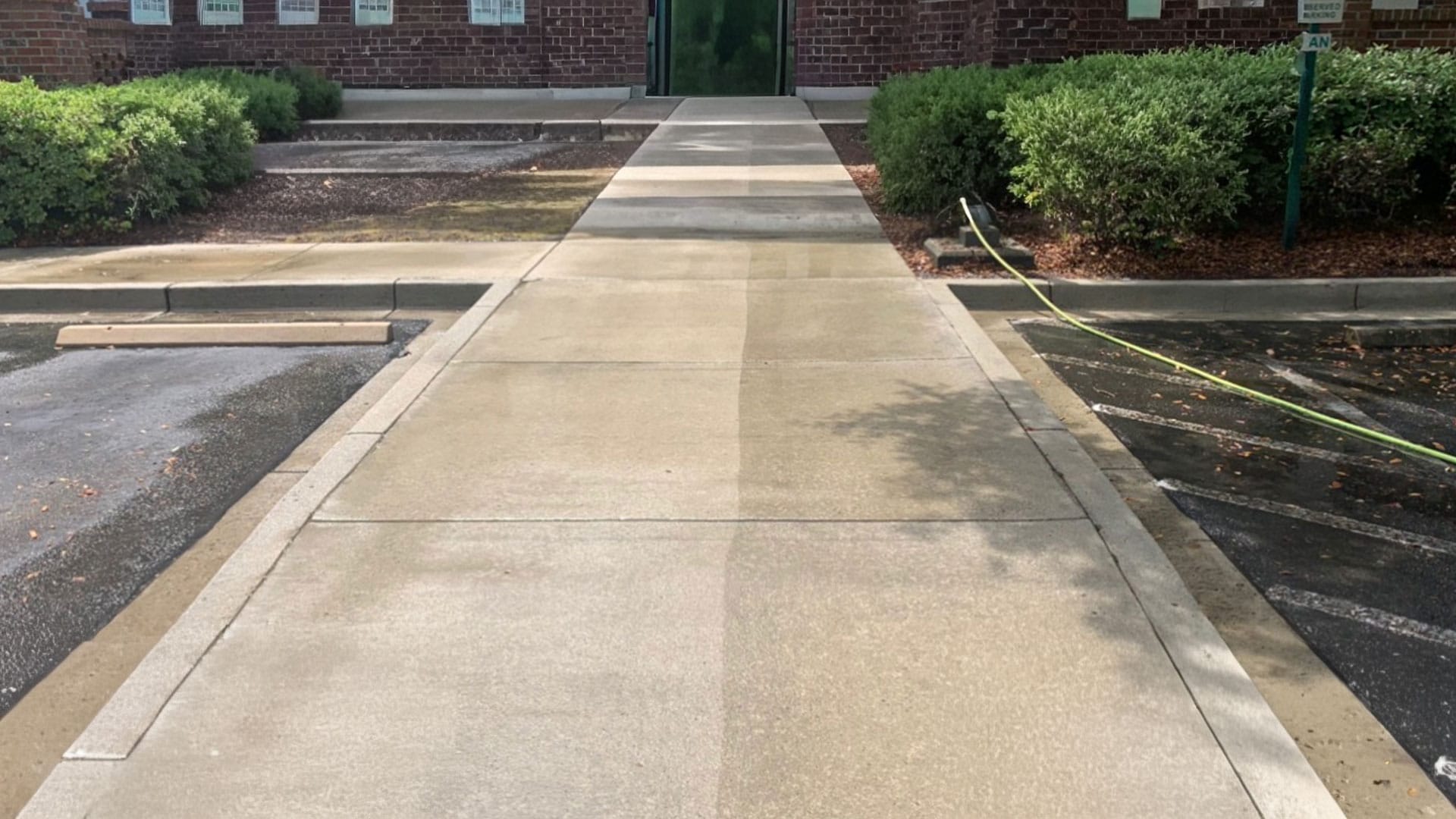
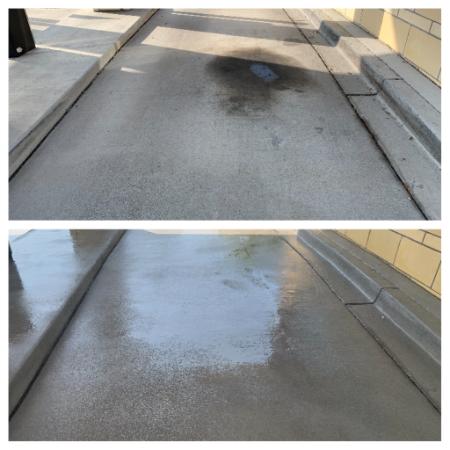
- Photos with time stamps showing conditions before and after service.
- Notes on weather, special events, or spills that required additional attention.
- Vendor credentials and insurance confirmation kept on file.
Paired with incident reports and floor walk logs, this package paints a clear picture of proactive care. It can support discussions with your insurer about risk mitigation and may help reduce friction during claims. Document before-and-after photos for every high-traffic zone so your records tell a consistent story.
Scheduling And Seasonality For Des Moines Facilities
Des Moines properties face four distinct seasons. Spring pollen and mud, summer storms, fall leaves, and winter deicers each leave different residues. Most high-traffic properties benefit from a base schedule plus situational cleanups after weather events or other disruptions.
Typical patterns used by local property managers include quarterly surface cleaning for retail centers, monthly touch-ups at grocery or healthcare entrances, and pre-winter and post-winter deep cleans for garages and exterior stairs. In neighborhoods like Ingersoll Avenue and Merle Hay, foot traffic and restaurant clusters often call for tighter cycles at entry mats and patio paths. See more about service in Des Moines to align your plan with local conditions and event calendars.
When in doubt, match your schedule to the risk profile of each zone. Food and beverage areas collect sugars that attract algae. Parking structures collect oil mist that polishes troweled surfaces. Stairways gather fine dust on nosings. Schedule cleanings after major storms or special events to maintain consistent traction.
The Process Property Managers Can Expect From Dirty Dogs Soft Wash
Consistency is everything for safety programs. A good provider begins with a walkthrough to map high-risk zones, traffic patterns, slopes, and drainage. The team selects detergents and temperature ranges that match soils and surface type, then sets a schedule that respects store hours and tenant needs. During service, surfaces are pretreated, cleaned with controlled pressure, and rinsed with managed recovery where required. The crew isolates pedestrian paths and posts wet-surface signs while areas dry.
After service, you receive a clear summary with photos, notes on any recurring issues, and recommendations for timing the next visit. These records fit neatly into your risk and facility management files and help you brief stakeholders when budgets and safety updates come up.
Surfaces And Areas With The Highest Payoff
Not all square footage carries the same risk. Focus first where people change direction or speed, transition between textures, or navigate slopes. That is where traction failures most often occur.
- Automatic door thresholds and cart corrals where small wheels track in residue.
- Painted crosswalks between buildings and parking decks.
- Ramps, stair treads, and landings with dust-packed grooves.
- Outdoor seating paths and patios near food service.
- Dumpster pads where organics and grease wash toward walkways.
Once these zones hold better traction, expand the program to secondary areas so soils do not migrate back to the clean surfaces.
How Regular Cleaning Supports Your Budget And Team
Slip-and-fall incidents are costly in time and attention. Supervisors get pulled from daily work, cameras must be reviewed, and paperwork grows. A steady program of commercial pressure washing reduces near-misses and incidents, protecting your time and helping your team focus on service and uptime.
Clean surfaces also extend the life of coatings and sealants by removing abrasive fines. That helps planned maintenance stay on schedule instead of shifting funds to emergency work. For managers across West Des Moines and downtown towers alike, fewer surprises mean steadier budgets.
Build A Simple KPI Framework To Track Risk Reduction
You cannot manage what you do not measure. Pair your cleaning calendar with a small set of leading and lagging indicators. Keep it simple and consistent so you can compare month to month.
Try tracking:
- Near-miss reports in entrances, ramps, and stairs.
- Time to dry after rain or snowmelt in key zones.
- Surface condition scores from floor walks, using a 1-5 scale.
- Incident frequency and severity by zone, quarter over quarter.
With even six months of data, you can tune cleaning frequency where it matters most and show stakeholders how the program reduces risk.
Addressing Common Objections From Stakeholders
Stakeholders sometimes worry about noise, water use, or tenant disruption. Professional crews schedule off-peak hours and communicate with tenants early so everyone is ready. Water is managed with efficient nozzles, recovery where needed, and targeted pretreatments that shorten rinse times. Equipment is selected to reduce sound and to fit tight spaces without blocking access.
Another concern is whether cleaning will make surfaces look patchy. Experienced technicians test small areas, blend edges, and follow a logical cleaning sequence so the final result looks even while improving traction.
How This Supports Your Safety, Risk, And Insurance Goals
Property managers are judged by outcomes: safe access, satisfied tenants, reliable budgets, and clear records. Routine washing supports all four. Cleaner, drier entrances and ramps reduce slips. Tenants and guests notice the difference. Budgets stabilize when you prevent damage from built-up grime. Organized logs and photos make it easier to work with adjusters if a claim occurs.
Use your primary keyphrase to keep leadership aligned with the goal. For example, include a line in your maintenance plan that links to commercial pressure washing in Des Moines, as a core safety control, just as you list lighting checks and snow response.
Local Context: Weather, Events, And Foot Traffic Patterns
Des Moines sees heavy foot traffic on weekends at the Downtown Farmers' Market, during sporting events, and at arena shows. These spikes often leave sticky drink residue and scuffed rubber near entries and stairs by Monday morning. Summer humidity grows algae on shaded pavers along riverfront walks. Fall leaves leave tannins that stain and reduce friction on concrete. Winter brines cling to ramps and sidewalks even after a thaw.
Plan your schedule around these rhythms. Add a wash after the first major pollen drop, after leaf fall, and after each snow event that uses brine or sand. A short mid-season touch-up at the busiest entrances can keep traction high until the next full-service window.
Your Next Steps
Start with a walkthrough of high-traffic zones and a simple calendar. Bring facilities, security, and tenant reps into the discussion so the plan fits real-world traffic and deliveries. Confirm your documentation needs and where photos and service logs should live. Then lock in dates so that cleanings happen before problem seasons, not after.
To talk specifics for your properties in Des Moines, call 515-259-3090 . Our team at Dirty Dogs Soft Wash builds maintenance plans that fit retail centers, office towers, and campuses without disrupting normal operations.
For fewer injuries and claims, schedule commercial pressure washing in Des Moines with Dirty Dogs Soft Wash today.
Partner With A Team Focused On Risk Reduction
Choose a provider that treats cleaning as a safety service, not just a cosmetic fix. Look for clear scoping, tenant-friendly scheduling, surface-appropriate detergents, careful water control, and solid documentation after each visit. If you manage multiple sites, ask for a consolidated calendar and a single point of contact who understands your risk goals.
When you are ready to formalize your plan, explore our approach to commercial pressure washing and how it supports year-round traction in your busiest areas. If you need a city-specific overview for planning, review our Des Moines service information to match frequency with local weather patterns and event traffic. We are here to help you align safety, appearance, and budgets so your entrances, sidewalks, and garages welcome people with confidence.
Never ignore algae or brine stains after a rain or thaw; they are early warning signs that traction is dropping. With a simple schedule and reliable records, you can show proactive care and keep people moving safely every day.